
For thousands of years, mankind has reveled in the idea of pitting one group or individual against another. Whether it is in the aggression of war, or for a myriad of sports, nothing seems to garner group cohesiveness as rooting for the home team! Seeing your favorite athlete or team score points against a rival can bring even strangers together in the revelry and celebration. Strangers hugging strangers, friends jumping for joy all while enjoying the afterglow of success on the field.
We have also seen that in the excitement of victory, emotions can turn deadly or ugly. We have watched TV footage of mass upheaval and riotous behavior simply because a favorite team has won the championship.
When you see players, as individuals or perhaps as many as 15 or 20, unite together for a common cause and purpose, and these in turn battle until they grasp the golden cup of victory, this is a powerful force to be reckoned with.
Such is the element of Teamwork.
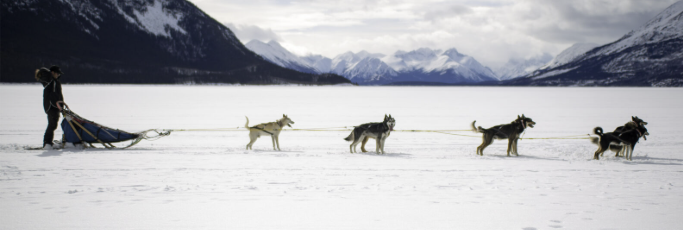
Every March, a race is held in the state of Alaska, called the Iditarod. This 1000 mile dog sled race, from Anchorage to Nome, is very challenging, grueling, and a test of physical endurance for man and dog.
Mr. Michael Lee Stallard wrote an article called “4 Teamwork Lessons from The Iditarod” for Fox Business (pubished March 6, 2015) about some parallels between the dog sled teams and teams of people in organizations. This is very applicable for all of us involved.
“Nearly all teams pull together during the good times. Difficult times test team cultures as teams face obstacle after obstacle and may struggle to perform.
Teamwork and perseverance are keys to success.
Teams with weak cultures fall apart amidst adversity. Feeling threatened, people get frustrated and begin to blame one another.
In strong team cultures where a bond of connection exists among team members, however, they pull together and are more likely to persevere through obstacles.”
“Here are four lessons from the Iditarod relevant to our “business teams.”
1. Does your team have the right task strengths? (Do they have the proper skills and talents?)
2. Does your team have the right character strengths? (Are they mentally prepared for their job?)
3. Has your team received the right training and preparation? (Do they have the right tools and know how to use them?)
4. Are you encouraging and recognizing your team members? (Are you rewarding your team members?)
Mr. Stallard expounds on each of the above lessons from the Iditarod. It is too lengthy for me to include it here, but I will send it to you if you request it.
Take a moment and examine your “team.”
Understanding and implementing these lessons could improve your business, online or brick and mortar, teamwork and therefore your efficiency and effectiveness!
From my “Dog sled” to yours –Go Team!!